
How to Get from Madrid Airport to Toledo?
Toledo is one of Spain's most iconic destinations — a UNESCO World Heritage city perched on a granite hilltop above the Tagus River, just 70 kilometers south of Madrid. For travelers arriving at Madrid Airport (MAD), Toledo is one of the most rewarding day trips or short stays you can make from the capital. The medieval walls, the Alcázar, the cathedral, the synagogues, and the labyrinth of narrow streets make it a destination worth the journey, and that journey is more straightforward than many travelers expect.
The airport itself is on the northeast side of Madrid, while Toledo is southwest of the city, which means the most efficient routes typically involve passing through or around central Madrid rather than traveling directly. The exception is direct car rental from the airport, which can take a more southerly route around the city. Each of the available options — train, bus, private transfer, and self-drive — has its own balance of speed, cost, comfort, and flexibility, and the right choice depends on your specific circumstances.
This guide covers all the practical realities of getting from Madrid Barajas Airport to Toledo: the routes, the times, the costs, the booking process, and the tips that make the difference between a smooth journey and a frustrating one. Whether you are planning a day trip with bags stored in a Madrid hotel, a multi-day Toledo stay, or a final overnight in Toledo before flying home, the information here is designed to help you choose well and travel confidently.
What is Toledo from Madrid Airport?
The straight-line distance from Madrid Barajas Airport to Toledo is approximately 75 kilometers, but the practical journey distance varies depending on which route and mode of transport you choose. By car, the typical distance is around 90 kilometers via the A-42 motorway, with a journey time of about 75 to 90 minutes depending on traffic. By public transport, the journey involves a transfer in central Madrid — usually at Atocha train station for the AVE high-speed service or at Plaza Elíptica for the ALSA bus — and total travel time runs from approximately 90 minutes to 2.5 hours, depending on connections.
For most travelers without their own vehicle, the recommended route is a combination of the Cercanías commuter train (Line C-1) from Terminal 4 directly to Atocha station, followed by the AVE high-speed train from Atocha to Toledo. This combination takes about 90 minutes total, including transfer time at Atocha, and is generally the fastest non-driving option. The AVE itself runs from Atocha to Toledo in just 33 minutes, with frequent departures throughout the day.
For travelers who prefer a single mode, the ALSA bus from Plaza Elíptica is a reasonable alternative, taking about 90 to 110 minutes from central Madrid to Toledo at lower cost than the AVE. Reaching Plaza Elíptica from the airport requires a Metro journey of about 30 minutes plus transfers. Driving in a rental car gives the most flexibility but requires navigating Madrid traffic and finding parking in Toledo, where the historic center is largely restricted to local vehicles.
AVE High-Speed Train (33 Minutes from Atocha)
The AVE high-speed train is the fastest and most comfortable option for traveling between Madrid and Toledo. Operated by Renfe, Spain's national rail operator, the AVE service runs between Atocha station in Madrid and Toledo's main railway station, with a journey time of just 33 minutes. There are typically 10 to 15 daily departures in each direction, with the first train of the day around 6:50 AM and the last around 9:30 PM. The service runs every day of the week, with slightly reduced schedules on Sundays and public holidays.
The train itself is modern, comfortable, and quiet, with assigned seating in two classes — Turista (standard) and Preferente (business). Standard fares are typically €13 to €25 one-way, depending on availability and how far in advance you book. The Preferente class costs €30 to €50 and includes more spacious seating, complimentary refreshments on some trains, and access to Renfe's lounges at major stations. For most travelers, the Turista class is more than adequate for the short journey to Toledo.
Booking the AVE in advance is highly recommended, particularly during peak season (May through October) and on weekends, when trains can sell out. Tickets can be purchased through the Renfe website, the Renfe app, or at ticket counters and machines in any major Spanish train station. The Renfe app is available in English and is generally reliable, though some travelers report occasional issues with foreign credit cards — having a backup payment method is wise.
Once at Toledo's railway station, the historic center is about a 25-minute walk uphill, or a short ride on bus 5 or 6 (about €1.50). Taxis from the station to the historic center cost approximately €5 to €8. For travelers with luggage or limited mobility, the bus or taxi is the practical choice — the walk involves significant elevation change and is challenging with heavy bags.
Connecting Through Atocha Station
For most travelers, the journey from Madrid Airport to Toledo begins with reaching Atocha station, which is Madrid's main southern railway hub and the departure point for AVE trains to Toledo. The most efficient route from the airport to Atocha is the Cercanías train — specifically Line C-1, which runs directly from Terminal 4 of the airport to Atocha in about 25 to 30 minutes. The Cercanías ticket costs €2.60, and trains run every 30 minutes throughout most of the day.
For travelers arriving at Terminals 1, 2, or 3, the simplest approach is to take the inter-terminal shuttle bus to Terminal 4 first, then board the Cercanías train. The shuttle takes 15 to 20 minutes, and trains depart from a clearly signed station inside Terminal 4 on the lower level. Allow at least 90 minutes total from arrival at the airport (assuming bags are already collected) to actually being on a Toledo-bound AVE train, including transfers.
An alternative route to Atocha is the Madrid Metro Line 8, which connects all terminals to Nuevos Ministerios station, where you can transfer to other Metro lines. The full journey from the airport to Atocha by Metro takes about 45 to 55 minutes including transfers, and costs approximately €5 with the airport supplement. This is slower than the Cercanías but more flexible if you need to make stops in central Madrid first.
For a deeper look at the airport-to-Atocha journey, including detailed timing, ticket logistics, and what to do if your flight is delayed, see our specific guide on getting to Atocha.
ALSA Bus from Plaza Elíptica
The ALSA bus service from Madrid to Toledo is a popular budget alternative to the AVE train. Buses depart from the Plaza Elíptica intermodal station in southwestern Madrid, with frequent service throughout the day — typically every 30 to 60 minutes from early morning until late evening. The journey time is about 90 to 110 minutes depending on traffic, and one-way tickets cost approximately €5 to €7, making it significantly cheaper than the AVE.
The buses are modern and comfortable, with reclining seats, air conditioning, and luggage storage. They follow the A-42 motorway most of the way, with a brief stop in Olías del Rey before reaching Toledo. Tickets can be purchased through the ALSA website, the ALSA app, or at the Plaza Elíptica station ticket counter. Online booking is recommended on weekends and during peak season, though weekday off-peak buses rarely sell out.
Reaching Plaza Elíptica from Madrid Airport requires a Metro journey. From the airport, take Metro Line 8 to Nuevos Ministerios, transfer to Line 6 to Príncipe Pío, and then transfer to Line 6 again or use Line 11 to reach Plaza Elíptica. The total Metro journey takes about 50 to 60 minutes including transfers, plus the bus ride to Toledo — meaning the full door-to-door journey from the airport to Toledo via this route is around 2.5 to 3 hours.
Toledo's bus station is located near the historic center, about a 15-minute walk from the main attractions, or a short ride on a local bus or taxi. For travelers staying at hotels in or near the historic center, the bus station is actually somewhat closer than the train station, which can make the bus a slightly more convenient option for those staying in central Toledo.
Driving via A-42 Highway
For travelers renting a car at Madrid Airport, the drive to Toledo is straightforward and offers the most flexibility for sightseeing en route or visiting attractions outside the city center. The most direct route is via the A-42 motorway (also called the Autovía de Toledo), which connects Madrid directly to Toledo with no tolls. The total driving distance from the airport is approximately 90 kilometers, with an expected journey time of 75 to 90 minutes outside peak hours.
From the airport, the typical route is the M-12 (or M-14 from some terminals) to the M-50 ring road, then the M-40 or M-30 around Madrid, and finally the A-42 south to Toledo. Modern GPS navigation handles this routing reliably, but during morning rush hour (7:00 to 9:30 AM) and evening rush hour (5:00 to 8:00 PM) on weekdays, the journey can extend to 2 hours or more due to congestion around Madrid. Weekend drives are generally smooth and predictable.
Car rental at Madrid Airport is straightforward, with all major international companies (Hertz, Avis, Europcar, Sixt, Enterprise) plus several local Spanish operators represented at the airport's car rental center. Rates start from approximately €25 to €40 per day for a small economy car, with full insurance and unlimited mileage typically adding €10 to €15 per day. Booking in advance through aggregator sites or directly with the rental company usually offers the best rates. For a complete overview of car rental options, see our car rental guide.
Driving to Toledo also opens up the possibility of stopping at Aranjuez, a UNESCO-listed royal town about halfway between Madrid and Toledo, with its famous Royal Palace and gardens. Aranjuez can be reached from the A-42 with a brief detour, and a 90-minute stop at Aranjuez followed by the continuation to Toledo can make for a full and rewarding day of sightseeing for self-driving travelers.
Private Transfer Options
Private transfers from Madrid Airport to Toledo are available from numerous companies and are popular among travelers who prefer door-to-door service without the hassle of public transport changes. Typical pricing is €120 to €180 for a standard sedan accommodating up to three passengers with luggage, and €180 to €280 for a larger vehicle (van or minibus) for groups of four to eight. The journey time matches that of self-driving — about 75 to 90 minutes — but with a professional driver and pre-arranged pickup directly from the airport arrivals hall.
Booking is typically done online in advance, with companies like Suntransfers, Welcome Pickups, GetTransfer, and several local Spanish operators serving this route. The driver meets you in the arrivals hall holding a sign with your name, helps with luggage, and takes you directly to your hotel in Toledo. For travelers with significant luggage, those traveling with elderly relatives or young children, or those simply preferring not to navigate public transport after a long flight, the private transfer is often worth the additional cost.
For groups of four or more, the per-person cost of a private transfer can be similar to or even lower than buying multiple AVE tickets plus airport-to-Atocha Cercanías tickets, while offering significantly more comfort and flexibility. Some companies also offer combined transfer-and-tour packages that include a few hours of guided sightseeing in Toledo before continuing to your accommodation, which can be appealing for first-time visitors with limited time.
For more comprehensive details on transfer companies, pricing structures, and booking tips, see our broader guide on airport transfers, which covers Toledo as well as other destinations from MAD.
Cost Comparison Across Options
The cost of getting from Madrid Airport to Toledo varies considerably depending on the option you choose, and the right balance of cost versus convenience differs by traveler. Here is a typical cost breakdown for a single adult traveler making the one-way journey:
The AVE-plus-Cercanías combination is moderately priced. The Cercanías ticket from the airport to Atocha is €2.60, and the AVE Toledo ticket is typically €13 to €25 in standard class — total cost approximately €15 to €28. This is the fastest and most comfortable public transport option but requires booking the AVE in advance and a transfer at Atocha.
The bus option is the most economical for budget travelers. The Metro from the airport to Plaza Elíptica costs about €5 with the airport supplement, and the ALSA bus to Toledo is €5 to €7 — total cost approximately €10 to €12. The trade-off is journey time (around 2.5 hours total) and the inconvenience of multiple transfers in Madrid.
Driving in a rental car costs approximately €25 to €40 per day for the rental, plus fuel (around €15 to €20 for the round trip to Toledo and back) and any parking fees in Toledo (typically €15 to €25 per day for parking near the historic center). Total daily cost for a self-driving day trip is approximately €60 to €85, more if you stay overnight. The trade-off is maximum flexibility for stops and onward travel.
Private transfers cost €120 to €180 for a sedan one-way, or €240 to €360 round-trip if you book the same company for both directions. Per-person cost falls dramatically for groups of three or four. The trade-off is the highest absolute cost balanced against maximum convenience.
Journey Time Comparison
Total journey time from Madrid Airport to a hotel in central Toledo varies by option:
AVE via Atocha: approximately 90 minutes to 2 hours total. This includes 25-30 minutes on Cercanías to Atocha, 20-40 minutes waiting time at Atocha (depending on AVE schedule alignment), 33 minutes on the AVE, and 10-15 minutes from Toledo station to the historic center. The waiting time at Atocha is the variable factor — if your timing aligns well with the AVE schedule, the journey is faster; if you have to wait an hour for the next departure, it is longer.
ALSA bus via Plaza Elíptica: approximately 2.5 to 3 hours total. This includes 50-60 minutes on Metro to Plaza Elíptica, 10-30 minutes waiting for the bus, 90-110 minutes on the bus to Toledo, and 5-15 minutes from Toledo bus station to the historic center. The longest of the public transport options but also the cheapest.
Driving: 75 to 120 minutes total, depending on traffic. Outside rush hour, the journey is typically 75 to 90 minutes. During Madrid rush hour, the same journey can take 2 hours or more. No transfers, but you do need to find and pay for parking on arrival in Toledo.
Private transfer: 75 to 90 minutes, similar to driving but without the navigation, traffic management, or parking concerns. The most predictable option in terms of door-to-door time, particularly useful for travelers on tight schedules.
What to See in Toledo?
Toledo's compact historic center is one of the most concentrated collections of medieval and Renaissance architecture in Europe, and most major attractions are within walking distance of each other. The Cathedral of Toledo, one of the great Gothic cathedrals of Spain, is the most-visited single attraction, with a treasury, choir, and chapter house that contain works by El Greco, Goya, Velázquez, and Caravaggio. Allow at least 90 minutes to do the cathedral justice, and book skip-the-line tickets in advance during peak season.
The Alcázar of Toledo, perched on the highest point of the city, was once a royal residence and is now a museum complex including the Spanish Army Museum. The views from the Alcázar's terraces over the Tagus River and the Sierra de Gredos in the distance are spectacular. Combined with the cathedral, the Alcázar can fill a substantial portion of a day visit.
Toledo's historic Jewish quarter, with its preserved synagogues (Synagogue of Santa María la Blanca and Synagogue of El Tránsito) and the Sephardic Museum, is one of the most evocative parts of the city. The Mosque of Cristo de la Luz, dating from 999 AD, is one of the oldest religious buildings in Spain and a remarkable example of pre-Romanesque Islamic architecture. The Iglesia de Santo Tomé houses El Greco's masterpiece The Burial of the Count of Orgaz.
Beyond the major monuments, Toledo's narrow medieval streets, hidden plazas, and views over the Tagus River reward unhurried exploration. The walk along the river to the bridges of San Martín and Alcántara, and up the hill to the Mirador del Valle viewpoint across the gorge, offers some of the most photographed views in Spain.
Day Trip vs Overnight Stay
Toledo can be done as a day trip from Madrid, but staying overnight transforms the experience. The day-trip approach involves leaving Madrid in the morning, spending six to eight hours in Toledo, and returning to Madrid in the evening — sufficient for the main highlights but rushed if you want to explore beyond the most popular sites.
An overnight stay allows you to see Toledo without the day-trip crowds. The city becomes very different after the bus tours leave in the late afternoon and before they return in the morning — quieter, more atmospheric, and far more pleasant for unhurried exploration. The illuminated medieval streets at night are a highlight that day-trippers entirely miss, and dining in Toledo's restaurants at a relaxed pace beats any quick lunch on a tight schedule.
Toledo offers a wide range of accommodations, from budget hostels to historic parador hotels in converted convents and palaces. The Parador de Toledo, located across the river with panoramic views of the city, is one of the most spectacular hotels in Spain and a destination in itself for travelers who want a special experience. Booking in advance is essential, particularly on weekends and during peak season.
For travelers with limited time, even a single night in Toledo creates a meaningfully different experience. Arrive in the late afternoon, see the city in the golden hour and at night, sleep in the historic center, and explore the major sites the next morning before returning to Madrid or the airport — a 24-hour visit that captures most of what Toledo offers.
Best Times to Visit Toledo
Toledo can be visited year-round, but the experience varies considerably by season. Spring (April to early June) and autumn (September to October) are generally considered the best times — the weather is mild, the days are long, and the crowds are manageable. Daytime temperatures in these months typically range from 15°C to 25°C, ideal for walking the steep streets and exploring outdoor spaces.
Summer (mid-June through August) brings peak tourist crowds and intense heat. Daytime temperatures regularly exceed 35°C in July and August, and the stone-paved streets and limited shade can make midday sightseeing genuinely uncomfortable. Most experienced travelers visit attractions early in the morning and late in the afternoon during summer, with extended siesta-style breaks during the hottest hours. Toledo's Corpus Christi celebration in late May or early June is a major annual event, with elaborate processions through streets carpeted in flower petals.
Winter (November through February) offers the quietest experience, with smaller crowds and atmospheric foggy mornings over the Tagus River. Temperatures can be cold (5°C to 12°C daytime, occasionally below freezing at night), but indoor attractions are pleasant and museums are uncrowded. Christmas season brings particular charm, with traditional decorations and seasonal events. The week of Holy Week (Semana Santa) before Easter brings religious processions and increased crowds throughout Spain, including Toledo.
Within the day, early morning (before 10 AM) and late afternoon (after 5 PM) tend to be the most pleasant times for outdoor exploration, particularly in summer. Most attractions are open from 10 AM to 6 PM, with extended hours during peak season. Many restaurants follow Spanish meal times — lunch typically 1:30 to 4 PM, dinner 8 PM onwards — which can surprise travelers expecting earlier service.
Ticket Booking Tips
For AVE train tickets to Toledo, booking 30 to 90 days in advance through the Renfe website or app generally offers the best prices. Tickets are released approximately 60 days before the travel date, with prices increasing as the train fills up. The cheapest fares are non-refundable and often €13 to €15; flexible fares allowing changes or refunds cost €20 to €30. For day trips with uncertain return timing, consider booking the outbound on a fixed schedule and the return on a flexible fare.
For ALSA bus tickets, booking ahead is less critical except on summer weekends and around holidays. Online booking through the ALSA website or app saves time at the bus station and sometimes offers small discounts. Tickets are valid for the specific time printed on them, though some flexibility is offered for travelers who miss their booked bus.
For Toledo Cathedral and other major attractions, advance online booking is strongly recommended during peak season. The cathedral website offers timed entry tickets that bypass the often-substantial walk-up queues. Combined tickets covering multiple monuments (the Toledo Tourist Card, for example) offer good value if you plan to visit several sites in one day.
For accommodation, booking through major hotel sites or directly with the property typically offers the best balance of price and flexibility. Parador hotels and other historic properties can sell out months in advance for weekend and peak-season stays, so plan early if you have a specific property in mind. Last-minute deals are sometimes available on weekday nights in shoulder season but should not be counted on during summer or holiday periods.
Common Pitfalls and How to Avoid Them
The most common pitfall for travelers going from Madrid Airport to Toledo is underestimating the airport-to-Atocha journey time. The Cercanías train is reliable but only departs every 30 minutes, and missing one connection can add 30 minutes to the journey. Allow generous transfer time at Atocha (at least 30 minutes between Cercanías arrival and AVE departure), and book the AVE for a time that accommodates potential delays at the airport (immigration, baggage, etc.).
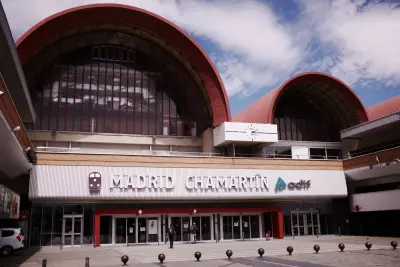
Another frequent issue is buying AVE tickets for Toledo and then realizing the train departs from Atocha rather than Chamartín — these are both major Madrid stations, and they are not interchangeable. The AVE to Toledo specifically departs from Atocha. Confirm your departure station before traveling and factor in the correct route.
For drivers, parking in Toledo's historic center is highly restricted — much of the old city is closed to non-resident vehicles. Park in one of the designated public car parks at the edge of the historic area (Parking Miradero, Parking Recaredo, or Parking Safont) and walk or take an elevator/escalator into the center. Don't attempt to drive directly to your hotel inside the walls without checking whether they have access permission for guests; many do not.
Finally, don't underestimate Toledo's terrain. The city is built on a steep granite outcrop, and many of the most interesting streets involve significant elevation change. Walking shoes are essential, and travelers with mobility limitations should plan routes carefully — some areas of the historic center are not easily accessible. The city's elevators (Remonte Mecánico) connecting different levels can help, but they are not always operational and have specific hours.
What to Pack for the Trip?
For a Toledo day trip from Madrid, packing should be minimal — most of what you need fits in a small daypack. Essentials include water (the city has many cafés but staying hydrated, particularly in summer, requires consistent intake), comfortable walking shoes with good grip (the cobblestone streets can be slippery), a hat and sunscreen in summer, a light jacket in shoulder seasons, and a charged phone for navigation and ticket access.
If you are using the AVE train or ALSA bus, you can leave most of your luggage at your Madrid hotel or in lockers at Atocha or Plaza Elíptica stations. Both stations have luggage storage facilities that accept bags for the day, costing €5 to €10 depending on size. This saves you from carrying bags up Toledo's steep streets and makes the day trip much more comfortable.
For overnight stays, pack light but include layers — even in summer, evenings in Toledo can be cool, particularly at higher elevations near the Alcázar and along the river. A small umbrella is useful in spring and autumn when occasional rain is possible. Photography enthusiasts will want a camera with good low-light performance for the medieval streets at dusk and the river views at the golden hour.
For travelers continuing to other destinations after Toledo, the connection back through Madrid is the most common pattern. Returning via the AVE to Atocha and then to other Spanish cities (Barcelona, Seville, Valencia, etc.) is straightforward, with frequent onward connections. Travelers leaving directly from Toledo to other parts of Spain by car can also use the A-4 to Andalusia or the A-3 to Valencia without returning to Madrid.
Returning to Madrid Airport from Toledo
The return journey from Toledo to Madrid Airport reverses the outbound options. The AVE departs Toledo for Madrid Atocha approximately every hour during the day, with the last train typically around 9:30 PM. From Atocha, the Cercanías Line C-1 runs to the airport's Terminal 4, with trains every 30 minutes until late evening (last service usually around midnight). Total journey time is approximately 90 minutes Toledo-to-airport, similar to the outbound trip.
For travelers with early morning flights from Madrid, returning the night before is generally wise. The last AVE from Toledo arrives at Atocha around 10:00 PM, and the last Cercanías to the airport leaves Atocha around 11:30 PM. Trying to return on the same day as a morning flight is risky if anything goes wrong with the schedule.
The ALSA bus also runs back to Madrid throughout the day, with similar last-departure timing around 10 PM. Buses arrive at Plaza Elíptica, from where you can take the Metro back to the airport — though by late evening the Metro journey adds significant time. For evening returns, the AVE-plus-Cercanías combination is generally faster and more convenient than the bus.
For drivers, the return journey is straightforward via the same A-42 route. Driving back during evening rush hour (5:00 to 8:00 PM weekdays) can be slow due to traffic returning to Madrid; an earlier or later departure makes the journey smoother. Returning the rental car to the airport's car rental center is well-signed from the highway approach, with a typical return process of 5 to 15 minutes.
Whatever option you choose, building in a buffer for the return journey — at least 2 hours before international flight check-in begins — provides protection against unexpected delays. Toledo is close enough to Madrid that even if something goes wrong, alternative options (taxi from Toledo, ride-share, etc.) can usually deliver you to the airport in time, but starting earlier reduces the stress and gives flexibility for any final stops you want to make in Madrid en route.
Whether you visit Toledo as a day trip or a multi-day stay, the journey from Madrid Airport (MAD) is one of the most rewarding short trips in Spain. The combination of fast trains, a UNESCO-listed medieval city, and the proximity to the Spanish capital makes Toledo an essential addition to any Madrid itinerary, and the practical logistics — once understood — are entirely manageable for travelers of any experience level. For a broader overview of what Madrid and the surrounding region offer, our Madrid travel guide covers additional destinations and trip-planning context.
Planning a trip to Toledo? Reach out.
You May Also Like
- Madrid Airport Train (Cercanías)
- How to Get from Madrid Airport to Atocha
- How to Get from Madrid Airport to City Center
- Madrid Car Rental
Plan your trip — airport routes
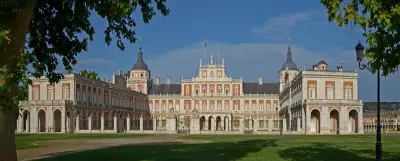 AranjuezCity
 ÁvilaCity
 CuencaCity
 El Escorial (San Lorenzo)City
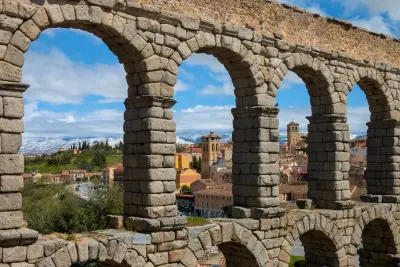 SegoviaCity
 ChuecaNeighborhood
 Gran VíaNeighborhood
 La LatinaNeighborhood
 LavapiésNeighborhood
 MalasañaNeighborhood
 MoncloaNeighborhood
 Puerta del Sol (City Centre)Neighborhood
 Salamanca districtNeighborhood
 ValdebebasNeighborhood
 Chamartín railway stationStation
 Nuevos MinisteriosStation
 Príncipe Pío stationStation
 Casa de CampoVenue
 Cívitas Metropolitano (former Wanda Metropolitano)Venue
 IFEMA Feria de MadridVenue
 Madrid RíoVenue
 Plaza de EspañaVenue
 Plaza MayorVenue
 Prado MuseumVenue
 Reina Sofía MuseumVenue
 Retiro ParkVenue
 Royal Palace of MadridVenue
 Santiago Bernabéu StadiumVenue
 Thyssen-Bornemisza MuseumVenue
 Valle de los Caídos (Cuelgamuros)Venue