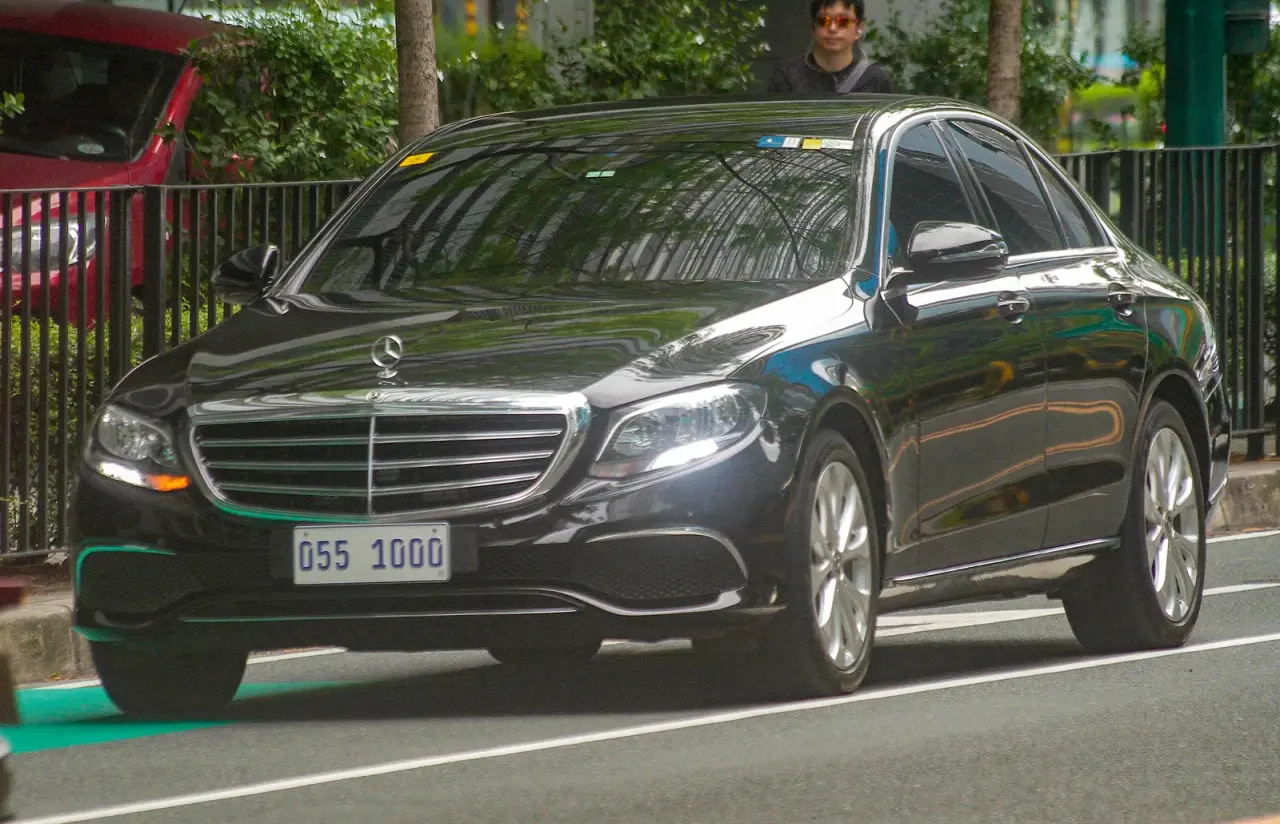
Madrid Airport Transfers — Your Complete Guide to Getting To and From MAD
Adolfo Suárez Madrid–Barajas Airport sits roughly 12 kilometres northeast of the city centre, and the journey between the airport and your destination is rarely the most exciting part of a trip — but it's almost always the part where small decisions have outsized impact on your day. The right transfer choice can save you forty minutes, twenty euros, or both. The wrong one can leave you stuck in a slow taxi during rush-hour, paying double what you needed to, or stranded at a metro station after the last train has run.
This guide is the practical reference for choosing a Madrid Airport transfer that actually fits your situation. It covers every realistic option — official and private taxis, Metro, Cercanías commuter rail, the Express Bus, ride-share apps, pre-booked private transfers, hotel shuttles, and rental cars — and walks through the trade-offs each one involves. The recommendations are calibrated to traveller type, time of day, group size, luggage, and budget, because no single option is best for everyone.
What follows is organised so you can read straight through to build a full picture, or jump to the section that matches your specific situation. By the end, you should know exactly which option fits your trip, what it will cost, how long it will take, and what to watch out for along the way.
What is All Transfer Options at Madrid Airport (MAD)?
Madrid Airport is unusually well-connected by public transport for a major European hub. Most large international airports give you a choice between an expensive taxi and a slow bus; Madrid offers a much wider menu. The Metro reaches all four terminals directly. Two commuter rail lines feed Terminal 4. A 24-hour Express Bus runs to and from the city centre. Several regular city bus lines connect the airport to nearby neighbourhoods. Taxis operate on a fixed-fare system to most central destinations. Ride-share apps work as in any major city. And a substantial market of pre-booked private transfer operators competes on price and reliability.
This abundance of options means there is almost always a transfer that fits your specific situation. A solo backpacker can reach the city centre for under five euros. A family of four with luggage can be picked up at the kerb for thirty. A business traveller heading to a meeting can pre-book a black car. A group of six can split a private van that costs less per person than the public transport tickets would have. The trick is matching your situation to the right option, not defaulting to whatever you used last time you flew somewhere else.
The default mistake most travellers make is assuming the airport is far away and that taxis are the only practical choice. In Madrid that's wrong on both counts. The airport is genuinely close to the city centre, and the Metro is faster than a taxi during rush hour for many destinations. Knowing this in advance changes the calculation, often saving real money without costing convenience.
Comparing the Options: Taxi, Metro, Cercanías, Express Bus, Private Transfer, Ride-share
The six main transfer options each have a distinct profile. The Metro is the cheapest reliable option (€4.50–€5 with the airport supplement included), with the trade-off that it requires a transfer at Nuevos Ministerios for many destinations. The Cercanías Line C-1 is faster and serves Atocha and Chamartín stations directly from Terminal 4 for €2.60. The Express Bus 24-hour service runs to Atocha and Plaza de Cibeles at the heart of the city for €5. Regular taxis cost €33 fixed to anywhere within the M-30 ring road. Pre-booked private transfers run €33–€60 depending on vehicle and operator. Ride-share is generally comparable to taxis, sometimes slightly cheaper outside peak times.
Time-wise, the Metro takes about 30–45 minutes to most central destinations including transfer time, with trains running every 4–7 minutes during the day. Cercanías is faster (25–35 minutes) but only directly useful if your destination is near Atocha or Chamartín. The Express Bus takes 35–45 minutes depending on traffic. Taxis vary wildly with traffic — 25 minutes off-peak to 60 minutes during rush hour. Pre-booked transfers take the same time as taxis but with more predictable pickup. Ride-share matches taxi times.
For groups and luggage, the calculation shifts. A taxi or private transfer that's expensive for a solo traveller becomes good value for three or four people splitting the cost. The Metro becomes painful if you're hauling multiple suitcases through transfer stations. The Express Bus has decent luggage space but limited seating during peak times. The right answer for a couple with two cabin bags is usually different from the right answer for a family with four checked suitcases.
For more details on individual options, see our dedicated pages on Madrid Airport taxis, the Cercanías train, and shuttle buses.
Fixed Taxi Fares from Madrid Airport
Madrid operates one of the more traveller-friendly taxi systems among major European airports. A fixed fare of €33 covers the journey from any airport terminal to anywhere within the M-30 ring road, which encompasses essentially all of central Madrid including Sol, Plaza Mayor, Atocha, Gran Vía, Salamanca, La Latina, Malasaña, Chueca, Lavapiés, and most central hotels. The same €33 fare applies in the reverse direction, so a return taxi from your hotel back to the airport will cost the same.
For destinations outside the M-30 — including parts of Chamberí extending north, some areas of the Salamanca district, the area around Cuatro Caminos, and most outer-ring neighbourhoods — the meter rate applies, with a surcharge of €5.50 for airport pickups. The total in these cases generally lands between €30 and €40, though heavy traffic during peak hours can push some routes higher. Always confirm whether your destination is within the fixed-fare zone before agreeing to the meter rate.
Event trips often land outside the ring as well. Our guide to reaching the Shakira Stadium at Iberdrola Music in Villaverde compares a pre-booked transfer against the Metro for that cross-city run, and explains why the €33 flat fare does not cover it. The same comparison for Palacio Vistalegre Arena in Carabanchel covers the Evanescence and Tokio Hotel nights.
Authorised Madrid taxis are easy to identify: they are white with a distinctive red diagonal stripe on the front doors and a city coat of arms. They have a green light on the roof that's lit when the taxi is available. The official taxi rank at each terminal is clearly marked, with attendants directing passengers to the next available cab during busy periods. Avoid any individual offering you a taxi inside the terminal building or in the parking areas — these are unauthorised and typically charge significantly more than the fixed fare.
Payment is straightforward: cash works everywhere, and most Madrid taxis now accept card payments including contactless and Apple/Google Pay. A small tip (rounding up the fare or adding a euro or two for good service) is appreciated but not expected. The driver will provide a receipt on request, useful for business travellers expensing the journey.
Private Transfer Companies Operating at MAD
The private transfer market at Madrid Airport is competitive and well-developed. A private transfer is essentially a pre-booked car or van with a named driver waiting at arrivals when you land. The driver typically holds a sign with your name in the arrivals hall, helps with luggage, and takes you directly to your destination on a fixed price agreed at booking time.
The advantage over a regular taxi is predictability. The price is locked in. The driver is waiting regardless of how long you take to clear customs and collect bags (most operators include 60 minutes of free wait time). For first-time visitors arriving after a long flight, particularly at night or with children, the convenience is worth the modest premium over a regular taxi.
Established operators serving MAD include Welcome Pickups, Suntransfers, Holiday Taxis, Civitatis, AlsaTransfers, and several local Madrid-based providers. Prices for a standard car (1–3 passengers) range from €30 to €40 to central Madrid; vans for up to 8 passengers run €50–€70; minibuses for larger groups start around €80. Booking is done online, typically with confirmation by email and contact details for the driver.
The trade-off is flexibility. If your flight is significantly delayed, your booked driver may not be able to wait indefinitely, and rebooking can be awkward. For travellers with predictable schedules and the desire for a stress-free arrival, private transfers work well. For travellers who want the option to walk out and grab a taxi on the spot, a regular fixed-fare taxi is the simpler choice.
Ride-Share at MAD: Uber, Cabify, Bolt, and FreeNow
Ride-share services are well-established at Madrid Airport. Uber, Cabify, Bolt, and FreeNow all operate, with designated pickup zones at each terminal. The dedicated zones are at the departures level (one floor up from arrivals) at most terminals, accessible by lift or escalator from the arrivals hall. Signage is bilingual and the zones are clearly marked.
Pricing is dynamic and varies by demand. During off-peak hours, ride-share to central Madrid often costs €25–€30, slightly less than the fixed taxi fare. During peak demand — late Friday evenings, after major events, during heavy rain — prices can surge to €40–€60, which makes the fixed €33 taxi fare more attractive. Always compare quotes in the apps before committing, especially during late-night or peak periods.
Cabify is particularly popular in Madrid and often has more drivers and shorter wait times at the airport than Uber. Bolt and FreeNow operate but with smaller fleets at MAD. Some travellers find that Cabify's "Lite" tier or Uber's "X" tier offers the best value, while business travellers may prefer the higher-tier black car options for €40–€55.
The advantage of ride-share over taxis is the up-front pricing, the cashless and receipt-tracked payment, and the ability to track the driver's arrival in the app. The disadvantage is variable wait times during peak periods and the surge pricing risk. For travellers who already use these apps regularly, ride-share is a natural choice; for travellers who don't, the fixed-fare taxi is simpler and often comparable in price.
Pricing Comparison Across All Options
For a single traveller heading from MAD to a central Madrid hotel during normal hours, the rough cost ladder runs from cheapest to most expensive: Cercanías Line C-1 at €2.60 (only useful if heading near Atocha or Chamartín), Metro at €4.50–€5, Express Airport Bus at €5, ride-share at €25–€30 off-peak, taxi at fixed €33, pre-booked private transfer at €30–€40, premium private transfer (black car) at €45–€60.
For two travellers, the per-person cost on public transport doubles (so Metro at €9–€10 for two), while taxi and transfer costs stay the same. The break-even point where a taxi makes more sense than the Metro is somewhere around two people for most destinations — once you have luggage and a destination not exactly on Metro Line 8, the convenience of a single €33 trip outweighs the savings of two €5 metro tickets.
For a family of four with luggage, a private transfer or taxi van at €40–€50 is dramatically more practical than fighting four people with multiple suitcases through metro transfer stations. The per-person cost works out to roughly €10–€12, comparable to the metro, with the bonus of door-to-door service.
For a group of six or more, a private minibus at €70–€90 is almost always the right answer. The per-person cost is €12–€15, which beats every other option once you factor in the time and friction of moving a group through public transport.
Journey Times for Each Option
Realistic door-to-door journey times from arrivals at MAD to a central Madrid hotel run roughly as follows. Metro Line 8 to Nuevos Ministerios, transfer to another line, walk to hotel: 35–50 minutes total. Cercanías C-1 to Atocha, walk or short metro to hotel: 30–45 minutes if your destination is near Atocha. Express Bus to Plaza de Cibeles, walk to hotel: 35–50 minutes. Taxi or ride-share: 25–60 minutes depending on traffic, with peak hours adding significant unpredictability. Pre-booked transfer: same as taxi but with no waiting at the rank.
The variance in taxi times during rush hour is the single biggest factor in choosing between options. From 8:00 to 10:00 AM and 5:00 to 8:00 PM on weekdays, traffic on the M-30 and the access roads to central Madrid can be heavy enough that a taxi takes nearly twice as long as the Metro. For travellers with a tight schedule (a meeting, a connecting train, a dinner reservation), the Metro is often the safer bet during rush hour because its travel time is predictable.
For early morning (before 7:00 AM) and late evening (after 9:00 PM) journeys, taxis are typically faster than the Metro, with reasonable traffic conditions. For weekend journeys, traffic is lighter overall and taxis usually beat the Metro for time. Use these patterns when planning: rush hour favours the Metro, off-peak favours taxis and ride-share.
For Cercanías specifically, the train runs every 30 minutes during the day from T4. This means your effective journey time depends on whether you arrive at the station with a train about to depart, or just after one has left. Build in 15 minutes of buffer for the worst case, and the Cercanías becomes more competitive when you compare actual end-to-end times.
Options for Groups
Group travel changes the transfer math significantly. A family of four or a group of friends arriving together has options that don't make sense for solo travellers, and ignoring them can cost real money and convenience.
For three to four passengers with normal luggage, a single taxi at €33 fixed fare is hard to beat. The per-person cost is €8.25–€11, and the convenience is maximum — door-to-door, no transfers, no fighting luggage through stations. The same goes for a pre-booked transfer car at similar pricing.
For five to six passengers, a regular taxi can't accommodate everyone. The options are a taxi van (some Madrid taxis are larger people-mover vehicles, available on request at the rank) or a pre-booked transfer minibus. Both run €40–€60 for the trip, working out to €7–€10 per person — competitive with public transport and dramatically more convenient.
For seven to fifteen passengers — extended families, business teams, sports groups — pre-booked minibuses and small coaches are the natural choice. Operators include the major transfer companies plus several Madrid coach hire firms. Prices run €70–€150 depending on vehicle size and route. Per-person cost stays in the €8–€15 range, comparable to public transport but with vastly better experience for the group.
For larger groups, charter coaches with capacity for 30–50 passengers are available with advance booking. Used primarily for tour groups, conference attendees, and large family events, these run €200–€500 depending on vehicle and route.
Options for Accessibility Needs
Madrid Airport and its connected transport network are reasonably accessible, though not equally across all options. Travellers with reduced mobility, wheelchairs, visual impairments, or other accessibility needs should consider their options carefully and book in advance where possible.
Madrid taxis include accessible vehicles (taxi adaptado), with ramps and tie-down systems for wheelchairs. These can be requested through the city's central taxi dispatch (at +34 91 547 8200 or through the official taxi app) at no additional cost beyond the standard fare. Wait times can be longer for accessible taxis, particularly during peak hours, so book at least 30 minutes ahead if possible.
Pre-booked private transfers offer accessible vehicles on request. Specify your needs at booking — wheelchair access, oxygen tank space, room for a service dog — and the operator will assign an appropriate vehicle. This is often the most reliable option for travellers with significant accessibility needs, as everything is pre-confirmed before you arrive.
Public transport — Metro, Cercanías, and buses — is increasingly accessible but with variable success. Metro Line 8 is fully accessible at the airport stations and most central interchanges, with lifts to all platforms. The Cercanías station at T4 is accessible. The Express Bus has accessible spaces but limited capacity for wheelchairs. For travellers with significant mobility limitations, a private transfer or accessible taxi is generally the simplest choice.
For passengers requiring assistance through the airport itself — from arrival gate to ground transport — AENA's Sin Barreras service handles wheelchair assistance, escort, and luggage help. Book at least 48 hours in advance through your airline. The service is free and continues from arrival through to your taxi or transfer, so you're never moving through the airport unassisted.
Late-Night and Early-Morning Transfer Options
Madrid's airport transport network thins significantly during late-night and early-morning hours, and travellers arriving or departing during these periods need to plan accordingly.
The Metro closes at approximately 1:30 AM and reopens at 6:00 AM. During this window, the Metro is simply not an option, and travellers landing on flights that arrive between 1:30 and 5:30 AM need an alternative. Cercanías service is also significantly reduced overnight — the C-1 runs limited night services on certain routes but should not be assumed to be available without checking the current Renfe schedule.
The Express Bus 24-hour service is the cheapest reliable late-night option. It runs every 35–60 minutes overnight (more frequently during the day) between MAD and Atocha via Plaza de Cibeles. The €5 fare applies regardless of time, and the bus is generally safe and clean throughout the night.
Taxis are always available at the official ranks, regardless of time. The fixed €33 fare to central Madrid applies day and night. For travellers arriving late, the taxi is often the best balance of cost, time, and reliability — you walk out, get in, and you're at your hotel in 25–40 minutes.
Pre-booked private transfers operate around the clock. The driver is waiting regardless of arrival time, which is particularly valuable for late arrivals when public transport is reduced and you don't want to be standing in a taxi rank at 3:00 AM. Some operators charge a small late-night supplement (typically €5–€10), which is reasonable for the convenience.
For early morning departures (flights leaving before 7:00 AM), travellers based in central Madrid generally need to start their journey to the airport by 4:30–5:00 AM. The Metro is not yet running. The Express Bus provides reliable service. Taxis are abundant and quick at this hour due to light traffic. Pre-booked transfers offer guaranteed pickup at your specified time.
Booking in Advance vs On Arrival
The choice between booking transport in advance versus arranging it on arrival depends on the option and your tolerance for uncertainty. Some options make far more sense pre-booked; others are better arranged on the spot.
Public transport — Metro, Cercanías, Express Bus — never needs advance booking. You buy a ticket from a machine when you arrive, and trains/buses run on a public schedule. The only minor exception is the multi-trip Metro card (Metrobús), which can be cheaper for multiple journeys but requires a small card purchase fee.
Regular taxis at the official rank don't need advance booking. You walk out, take the next taxi, and pay the fixed fare. This is the simplest option for travellers who want zero planning friction.
Pre-booked private transfers benefit from advance booking — typically at least 24 hours ahead, sometimes more for peak periods. The advantage is locked-in pricing and a guaranteed driver waiting; the disadvantage is reduced flexibility if your flight is significantly delayed or rescheduled. Most operators include 60 minutes of free wait time, but extended delays can complicate the arrangement.
Ride-share apps don't need advance booking either, though some operators allow scheduled pickups for a small premium. The fastest option is to open the app on arrival, request a ride, and walk to the designated pickup zone.
The general rule: book in advance if you want price certainty, a named driver, and zero uncertainty (private transfers); arrange on arrival if you want maximum flexibility and minimum advance commitment (taxis, ride-share, public transport).
Tipping Conventions in Madrid
Spanish tipping culture is more relaxed than American or some Northern European norms. Tips are appreciated but not expected, and the absence of a tip is not socially awkward as it can be in some countries.
For taxis, rounding up the fare to the nearest euro or adding a euro or two for good service is standard. So a €33 fare might become €35, or a €27.50 metered fare might become €33. Tipping is more common when the driver helps with luggage or provides particularly good service. There's no expectation of a percentage tip.
For private transfer drivers, a tip of €5 is appropriate for a smooth experience with luggage assistance. €10 is generous for exceptional service. Many transfers are pre-paid, and the driver doesn't expect anything additional, but the gesture is appreciated.
For ride-share, the apps include tip options (typically 5%, 10%, or 15%). Tipping is not expected in Spain to the extent it is in the US, but a small tip for good service is welcomed. €1–€3 is reasonable for a typical airport ride.
For public transport, no tipping is involved. The fares are fixed, and there's no driver-passenger interaction that warrants a tip.
Common Scams and Pitfalls to Avoid
Madrid Airport is generally a safe and well-regulated environment, but a few specific scams and pitfalls catch travellers off guard.
The most common is the unauthorised taxi or "private driver" approach inside the terminal. Individuals (sometimes well-dressed, sometimes carrying official-looking signs) approach arriving travellers and offer transport at quoted prices that turn out to be significantly higher than the official fixed fare. Always use the marked taxi rank outside the arrivals hall — don't accept rides from anyone soliciting inside the building.
A related issue is taxi drivers who claim the fixed fare doesn't apply to your destination. The €33 fare is an official Madrid municipal regulation for any destination within the M-30 ring road. If a driver insists on the meter and your destination is clearly central, ask about the fixed fare; if pushed, take the next taxi instead. Reputable drivers honour the fixed fare without complaint.
Another pitfall is choosing the Metro for a destination that requires multiple transfers and significant walking with luggage. The €5 fare looks cheap, but if you're hauling four suitcases and a child through the transfer at Nuevos Ministerios, the savings evaporate quickly. Be realistic about your luggage and the destination's distance from the Metro.
Finally, rideshare surge pricing during peak times can spike to €50–€60 for the same journey that costs €33 by fixed-fare taxi. Always check the app's quote before requesting; if surge is high, the taxi rank outside is a better deal.
Recommendations by Trip Type
For a solo business traveller arriving on a daytime flight, heading to a central hotel for a meeting: pre-booked private transfer at €30–€40 is worth the marginal premium for predictable pickup and reliable timing.
For a solo budget traveller with cabin baggage only, heading to a hostel near a Metro station: Metro Line 8 at €5 is the obvious choice, fast and cheap.
For a couple on a city break, two checked bags, heading to a hotel near Sol or Gran Vía: fixed-fare taxi at €33 is hard to beat. Door-to-door, no transfers, €16.50 each.
For a family of four arriving on a long-haul flight at night, with multiple suitcases and tired children: pre-booked private transfer at €40–€50 is the sanity-preserving choice. Driver waiting, no taxi-rank wait, no fighting through stations.
For a group of six friends arriving for a weekend: a private transfer minibus at €70–€90 splits to €12–€15 per person, beats every other option for convenience.
For a backpacker on a tight budget, arriving during the day, heading to Atocha for a connecting train: the Cercanías at €2.60 is unbeatable — direct, fast, cheap. See our guide on getting to city center for specific routes from Atocha.
For a very late arrival (post-1:30 AM), heading to a hotel: taxi at €33 is the practical choice. Express Bus is cheaper but slower at that hour, and Metro isn't running.
For an early morning departure (flight before 7:00 AM): pre-booked private transfer with a 5:00 AM pickup is the safest option. Taxi is fine but can be variable; Express Bus works but adds 30 minutes to your journey.
For a traveller renting a car for an onward Spain road trip: car rental directly at the airport is the obvious choice — pick up after arrival, return before departure.
Need a reliable transfer? Get in touch.
You May Also Like
- Madrid Airport Taxis
- Madrid Airport Train (Cercanías)
- Madrid Airport Shuttle Bus
- How to Get from Madrid Airport to City Center
Plan your trip — airport routes
 AranjuezCity
 ÁvilaCity
 CuencaCity
 El Escorial (San Lorenzo)City
 SegoviaCity
 ChuecaNeighborhood
 Gran VíaNeighborhood
 La LatinaNeighborhood
 LavapiésNeighborhood
 MalasañaNeighborhood
 MoncloaNeighborhood
 Puerta del Sol (City Centre)Neighborhood
 Salamanca districtNeighborhood
 ValdebebasNeighborhood
 Chamartín railway stationStation
 Nuevos MinisteriosStation
 Príncipe Pío stationStation
 Casa de CampoVenue
 Cívitas Metropolitano (former Wanda Metropolitano)Venue
 IFEMA Feria de MadridVenue
 Madrid RíoVenue
 Plaza de EspañaVenue
 Plaza MayorVenue
 Prado MuseumVenue
 Reina Sofía MuseumVenue
 Retiro ParkVenue
 Royal Palace of MadridVenue
 Santiago Bernabéu StadiumVenue
 Thyssen-Bornemisza MuseumVenue
 Valle de los Caídos (Cuelgamuros)Venue